

Why Transparency Is the New Competitive Advantage
We recently ran two focus groups to understand how Millennials use digital tools and AI when making decisions about their finances and wellbeing. What emerged was not a simple story of adoption, but a more thoughtful and human approach to when - and how - these tools are used.
This research uncovered five key insights. This is the third.
Click the links below to read the first two blogs in the series.
Where Should Financial Services and Health & Wellness Brands Focus Their Use of Digital Tools and AI?
Millennials use digital tools constantly - for banking, budgeting, symptom checking, GP appointments, wearables and everyday organisation. But despite this reliance, many feel uneasy about how their data is collected, interpreted and shared.
What emerged is that trust doesn’t come from how advanced the AI is. It comes from how transparent the brand using it feels.
People feel observed, but not informed
Across both finance and health, Millennials described a sense of being “watched”:
In financial services, Millennials assume banks hold extensive behavioural data but don’t understand what it’s used for or what value they get back.
In health, digital GP services and symptom checkers are helpful, but Millennials worry about how sensitive information might be stored or shared.
Even well‑known and widely used platforms like Google or Amazon are relied on, but not fully trusted.
The discomfort isn’t about the tools themselves. It’s about the lack of clarity behind them.
Brands with strong oversight & clear motives rise to the top
When mapping brands based on how much they trusted them with AI and their data. Two patterns stood out for our millennials:
Finance feels safer when it feels regulated. High‑street banks benefit from the assumption of oversight and accountability
Health feels safer when motives are clear. The NHS is trusted because its purpose is public good, not profit
Across both sectors, clear explanations matter more than technical capability.
Reputation shapes trust - and bad news lingers
Brands that feel like they take more than they give sit at the low‑trust end of the map, while brands that feel ethical and accountable sit at the high‑trust end. And once trust is damaged, it’s very hard to win back. Meta’s data scandals and X’s content issues still influence trust, even when the tools are used for low‑stakes tasks
To bring this to life, one Millennial switched from Flo to Stardust for period tracking. The reason wasn’t features; it was transparency. Stardust clearly explains its encryption and privacy approach. Flo felt opaque. The behaviour change wasn’t about capability. It was about clarity.
What this means for brands
For financial services and health providers, the message is simple:
Explain what data you collect and why
Show the value exchange
Be upfront about limitations
Treat reputation as part of the product
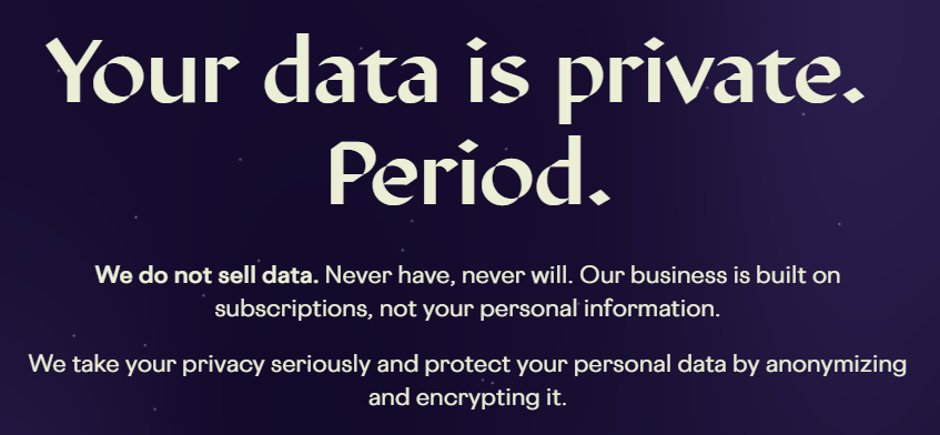
Source: Stardust


Comments